Our Process
How a roofing job runs in Paterson, step by step: the call, the written quote, the work and the final walkthrough — and the less expensive option named when there is one.
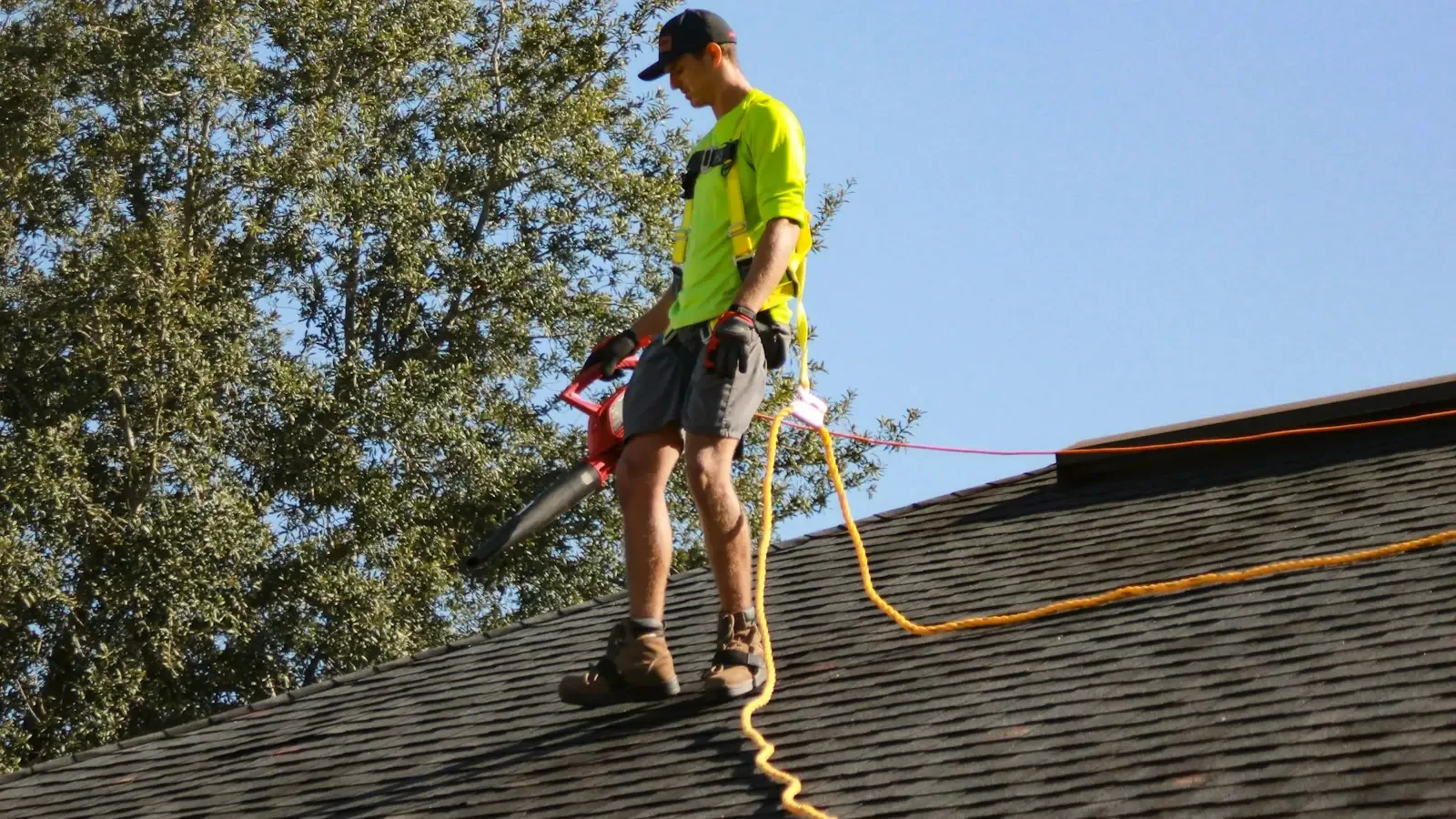
Four steps, start to finish
The joint between flat and pitched roofs checked first, and a written quote before any work starts.
Call and say which roof
Tell us the address and what you are seeing: a stain, a drip, shingles in the yard, water standing on the back roof.
The joint first, then each roof
The tie-in between the flat and pitched roofs, then parapets and drains, then chimney, valleys and boots.
A written quote, roof by roof
The pitched roof on its own lines, the flat roof on its own, and the tie-in named between them, with permit status for your building.
The work, then the walkaround
Membrane turned up and fixed, shingles woven in over it, flashing cut into brick rather than caulked.
All of it, priced
Estimated figures for Passaic County. Nothing here is a quote until we have seen the job.
Roof Replacement - $9,000 - $30,000 (est.)
Most pitched roofs; a flat rear section priced on its own.
Roof Repair - $300 - $3,000 (est.)
National 2026 average about $900.
Roof Leak Repair - $300 - $2,000 (est.)
The range published for leak repair in paterson.
Emergency Roof Repair - $300 - $1,000 for a small repair (est.)
Moderate storm repairs about $1,000 - $5,000.
Flat Roof Repair - $750 - $3,500 (est.)
Borrowed from another market; no paterson figure published.
Metal Roofing - $4 - $30 per sq ft (est.)
Against $1 - $4 for asphalt shingle, nationally.
What to do before a roofer arrives, and why it narrows the job
Most leaks on a two-roof house come from one place, and the first steps cost nothing.
Catch the water and photograph it
A bucket under the drip, belongings moved, and a photograph of the stain before anything is touched.
Note where the water shows
Front of the house or back, top floor or lower, your unit or another. Water at the back wall usually points at the joint with a flat rear roof.
Look at the flat roof from a window
If a back window looks onto the low roof, check for standing water, a lifted edge or debris at the drain. Do not climb out onto it.
Ask for the joint to be checked first
Before anyone prices a whole roof, ask them to look at where the flat section meets the pitched one. A found entry point is a smaller bill.
Storms set the roofing calendar here
Worth knowing before you start calling around, because the busiest weeks are the worst weeks to be choosing.
This market's questions cluster around storms: what to do when wind blows shingles off, how urgent a leak is, how to make a temporary repair. The calls arrive together too, after a nor'easter, when the weakest joint on every roof in the city is tested on the same night.
Shingles and membranes both need dry, mild weather to bond properly, which is one more reason a replacement planned for late summer or early fall is a better roof than the same job rushed in a cold snap. A small repair at the tie-in is worth doing the week you find it.
- Active leaks covered the same day where light and weather allow
- Repairs booked within the week in normal conditions
- Temporary cover quoted separately from the permanent repair
- Replacements scheduled for dry, mild weather where possible

Want a figure on it?
The estimated range before we travel, and the figure in writing before any work starts.